


Hot Rolled vs Cold Rolled Steel
Key Differences, Uses & How to Choose
When sourcing steel for manufacturing, construction, or industrial applications, one of the most fundamental choices you’ll face is between hot rolled steel and cold rolled steel. Although both begin from the same raw material, the manufacturing processes create distinct differences in properties, surface finish, dimensional accuracy, and ideal applications.
Understanding these differences allows procurement teams, engineers, and project managers to make the right specification decisions — and avoid costly material selection mistakes. This guide covers everything you need to know about the two most common forms of structural and flat steel.
What Is Hot Rolled Steel?
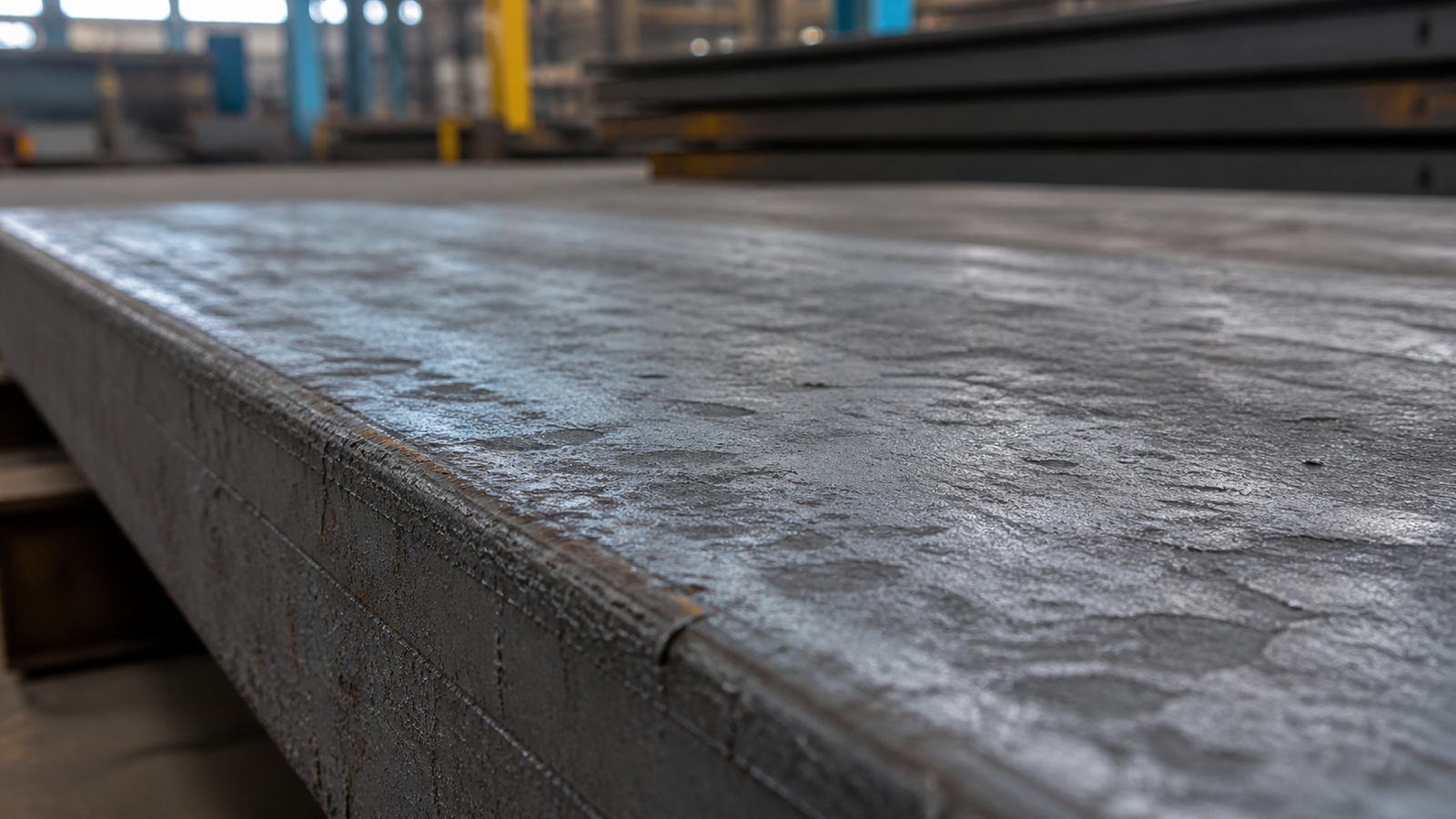
Hot rolled steel is produced by rolling steel slabs at extremely high temperatures — typically above 926°C (1,700°F), which is above the steel’s recrystallization temperature. At this temperature, the material is highly malleable and easy to shape. After forming, it is allowed to cool at room temperature.
Key Characteristics
- Rough, scaled surface (mill scale)
- Slight dimensional variation (+/- 3–5%)
- Higher ductility — easier to weld and form
- Lower production cost
- Available in wide thickness ranges
Typical Applications
- Structural beams: IPE, HEA, HEB profiles
- Railroad tracks and infrastructure
- Construction frames and columns
- Agricultural and heavy machinery
- Steel pipes and hollow sections
What Is Cold Rolled Steel?
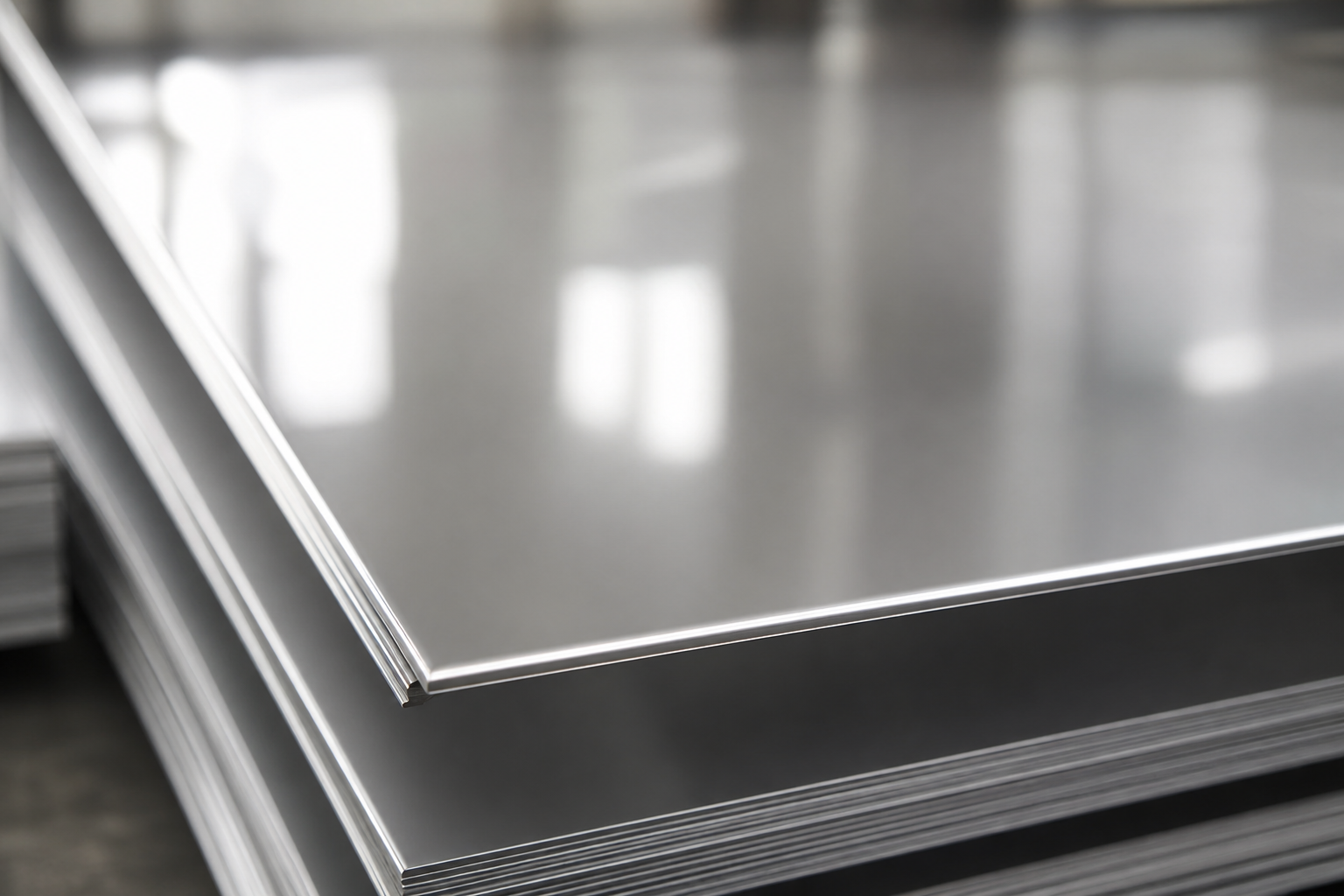
Cold rolled steel is hot rolled steel that has been further processed through additional rolling at room temperature. This secondary processing increases the steel’s strength through strain hardening and produces a much smoother, more dimensionally accurate product.
Key Characteristics
- Smooth, clean, bright surface finish
- Tight dimensional tolerances (±1%)
- Approximately 20% higher tensile strength
- Better surface for painting and coating
- More uniform mechanical properties
Typical Applications
- Automotive body panels and chassis parts
- Home appliances and white goods
- Metal furniture and precision shelving
- Electrical enclosures and cabinets
- Precision sheet metal fabrication components
Key Differences at a Glance
| Attribute | Hot Rolled Steel | Cold Rolled Steel |
|---|---|---|
| Surface Finish | Rough, scaled (mill scale) | Smooth, bright finish |
| Dimensional Tolerance | ±3–5% variation | Very tight (±1%) |
| Tensile Strength | Standard | ~20% higher |
| Ductility | Higher — easier to form | Lower (more brittle) |
| Cost | Lower | Higher |
| Typical Thickness Range | 3 mm – 100 mm+ | 0.4 mm – 6 mm |
| Best For | Structural / heavy industry | Precision / surface-critical parts |
When to Choose Hot Rolled Steel
- Structural applications where precision is not critical
- Large cross-sections or heavy-gauge requirements
- Cost is the primary driver
- The steel will be machined, welded, or further formed
- Pipes, beams, channels, and angles
- General construction and civil engineering
When to Choose Cold Rolled Steel
- Surface appearance matters (visible/exposed components)
- Tight dimensional tolerances are required
- Higher strength-to-weight ratio is needed
- Components will be painted, coated, or powder-coated
- Automotive, appliance, or precision engineering
- Sheet metal fabrication for enclosures and panels
Explore Related Steel Products
Whether you need hot rolled structural profiles or cold rolled flat products, Steeling.net sources them directly from Turkish mills.
Source Hot Rolled & Cold Rolled Steel from Türkiye
Steeling.net connects international buyers with Turkey’s leading steel mills, offering both hot rolled and cold rolled steel products with full documentation, competitive pricing, and reliable delivery. Whether you need structural profiles, flat sheets, coils, or custom dimensions — we source exactly what your project requires.